Be yourself; Everyone else is already taken.
— Oscar Wilde.
This is the first post on my new blog. I’m just getting this new blog going, so stay tuned for more. Subscribe below to get notified when I post new updates.

Be yourself; Everyone else is already taken.
— Oscar Wilde.
This is the first post on my new blog. I’m just getting this new blog going, so stay tuned for more. Subscribe below to get notified when I post new updates.
As of the beginning of April the FDA and the CDC are in an ongoing investigation with a multi-state outbreak of Listeria monocytogenes in enoki mushrooms from Korea causing Listeriosis. The organizations still do not know the source of the enoki mushroom contamination but have been tracking shipments of these mushrooms. Three companies have been determined to have produced shipments testing positive for Listeria monocytogenes. On March 9th, of 2020, Sun Hong Foods, Inc. tested positive for the bacteria, and on March 23 Guan’s Mushroom Co. also tested positive for the bacteria. More recently H&C Food Inc. also had shipments test positive as of April 7th, 2020.

The FDA and CDC encourage people to not eat, buy, or sell recalled enoki mushrooms for risk of contamination. These organizations also encourage thorough cleaning of any surfaces that may have come into contact with these mushrooms to prevent further contamination of Listeria monocytogenes. Distributions of these mushrooms from these companies are occurring throughout the United States so mushrooms positive for this bacteria nationwide is very possible. It is also recommended that those more susceptible to contracting Listeriosis such as pregnant women and the elderly do not eat any enoki mushrooms from Korea until the investigation has been resolved. A total of thirty six cases in 17 states have been reported but there have been no more reported cases since March 27th of 2020. Thirty hospitalizations and four deaths have resulted from this outbreak. Additionally, six pregnant women have contracted Listeriosis in which two out of the six cases resulted in fetal death.
It’s crazy to think mushrooms could be causing such widespread illness and result in the loss of two women’s unborn children. Food borne illnesses are a reminder of how rapidly disease can spread in a modern world. Due to global shipments and the rapid distribution of products in modern times, bacteria have the ability to cross oceans within days and infects multiple people across the nation. Determining the source of this outbreak will be quite a task. I wonder if COVID-19 has impacted this investigation due to people social distancing and not going to restaurants or the grocery store like they did before. It will be interesting to see if more cases pop up after social distancing has been lifted.
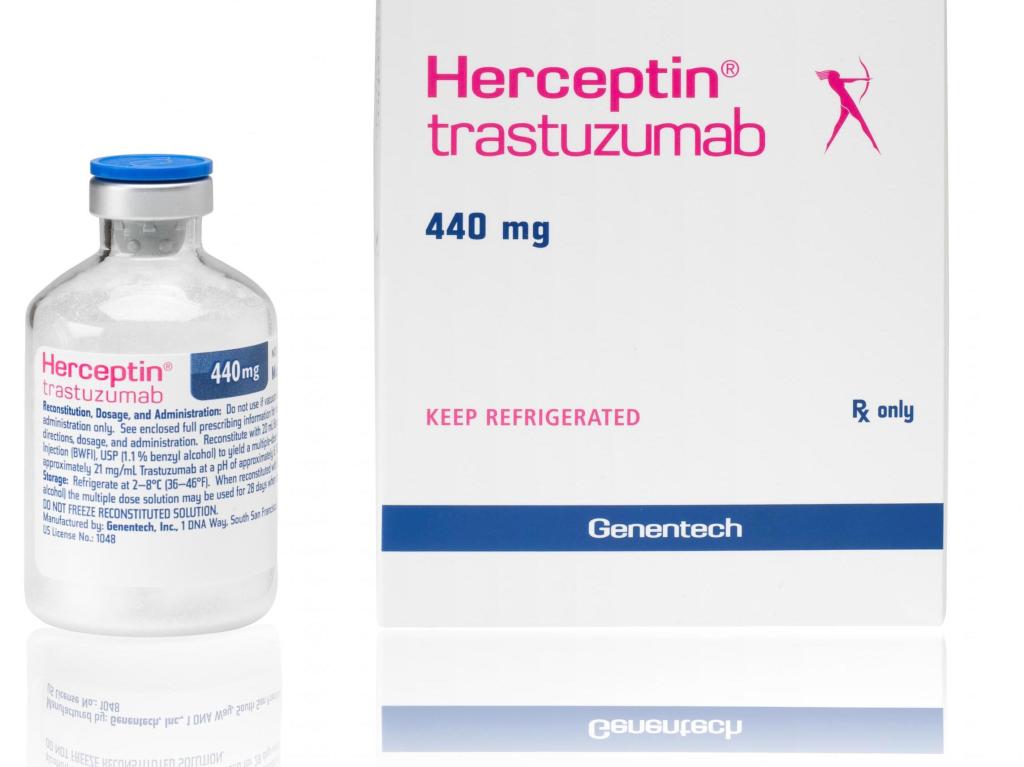
The intravenous monoclonal drug Herceptin or trastuzumab is a drug used in chemotherapy to treat HER2 positive adjuvant breast cancer, and breast cancer that has metastasized in the body. It can also be used in combination with other chemotherapy drugs to treat HER2 positive metastatic gastric cancer. Monoclonal antibodies are antibodies that are produced by the same B cell clone. Labs use animal and human proteins to produce these monoclonal antibodies that all recognize and respond to the same specific target antigen. Monoclonal antibody medications are relatively new and are a target therapy for certain cancers and other diseases. Herceptin works by targeting the HER2 receptor on cancerous cells by blocking them. HER2 receptors are thought to help with the prevention of the multiplication of cancerous cells, however when there is an overexpression of this receptor on the cells then the cancerous cells will rapidly and uncontrollably proliferate spreading the cancer. Herceptin works to block these HER2 receptors when there is overexpression to help prevent the spread of cancer. Herceptin is manufactured by Genentech and the side effects of the drug listed on their website are as follows:
Serious side effects
Common side effects when used in treatment for breast cancer:
Common side effects for patients receiving treatment for gastric cancer:
Unfortunately many side effects may occur because of the aggressive nature of chemotherapy drugs in general. However, if some serious side effects occur because of the drug, that may adversely impact the patient in their course of treatment or later become a life threatening issue. Unfortunately many patients taking Herceptin have exhausted other options and need the drug for the management of their cancer thus making the side effects worth the primary treatment of the drug. While this drug doesn’t necessarily make you more susceptible to other diseases, severe side effects can be heart and or lung failure. The drug can also cause birth abnormalities or miscarriage and patients may experience low white blood cell counts which may cause patients to become predisposed to other infections due to a lowered immune system.
While not specified, general lowered white blood cell counts can impact both the innate and adaptive immune response by suppressing the active cell types involved in the immune system. Fortunately, Herceptin does not adversely react in combination with other drugs. However, it has been seen to cause cardiac problems when used with another chemotherapy drug known as anthracycline. It is amazing to think of what monoclonal antibodies have allowed us to achieve within the medical field. Due to the access of this technology, life threatening cancer and other autoimmune diseases can be treated and provide relief to thousands. Herceptin is just one example of this technology and it’s exciting to think of the progression that can be made within the next few decades in chemotherapy and autoimmune therapy drugs.
While COVID-19 is taking its toll on the world, influenza is still impacting the world. As of April 6th, 2020 new numbers concerning the influenza season have surfaced. According to the CDC, between 39 million and 55 million flu illnesses were estimated with at least 400,000 hospitalizations. 63,000 deaths from flu have also been reported in which 162 were pediatric deaths. Influenza B has also been reported to have more cases earlier in the year than in previous years. Usually, influenza A has more cases earlier in the year and is followed by the slower developing influenza B. Professionals estimate that the high rate of influenza B earlier in the year suggests the reasoning behind the lower rate of deaths and hospitalizations due to the flu since influenza B primarily impacts children and younger adults than the elderly. The CDC also reports that the vaccine has greatly decreased the amount of medical attention the flu has required this year.
Additionally, on February 10th of 2020, Los Angeles was hit with another outbreak of measles. An unvaccinated international traveler arrived in California and infected five people. While only five confirmed cases is a very low number, as we have seen with COVID-19, five people can turn into a large number of cases very quickly if many people are unvaccinated. This isn’t the first outbreak of measles in Los Angeles either. In 2019 Los Angeles reported 20 measles cases along with 14 nonresidential cases. Overall the United States experienced 1,282 cases in 31 states in 2019. This has been the greatest number of cases since 1992. All of these cases could have been prevented if people would vaccinate. It is crazy to think that with everything going on with COVID-19 people still may choose to not vaccinate. However, it will be interesting to track some diseases like measles in the following years to see if COVID-19 causes the vaccination rates to increase and a decrease in many of these diseases.

It’s interesting to me to think that in the midst of COVID-19 there are still people getting sick and recovering from other illnesses. Due to all the media attention surrounding the COVID-19 crisis, I feel that other diseases that are potentially more serious are being overshadowed. It’s also extremely interesting to think about how many people are avoiding going to the doctor unless it is extremely necessary. With that in mind, it’s interesting to think about how many people crowd medical professional offices and emergency rooms unnecessarily and how many thousands of dollars that is a year. While COVID-19 is an extremely big deal and I understand the necessity to inform the public, it’s hard to think that many other global issues are getting little to no media coverage.
Currently, the FDA is working on the potential for approved serological testing of COVID-19. A serological test will determine the amount of antibodies present in the body from a specific infection such as COVID-19. The results of this test show what stage of infection a person is in based on the amount of a particular antibody in the blood. Having only IgM antibody titers means that a person has just been exposed to COVID-19 and the body is establishing its initial defense against the infection. Having both IgM and IgG antibody titers means that the person is in the midst of the viral infection, and having primarily IgG antibody titers means a person is producing a secondary response to the virus and has been exposed before. If doctors were able to determine who was IgG positive, doctors could see who has already created an immune response to COVID-19 in order to help the search for a vaccine. Determining these people could help to gain more information about the longevity of the disease and how the body is being affected.
Using serological testing, the FDA hopes to identify those who have been exposed and have recovered from the virus to help better determine how much longer people need to continue social distancing. With these tests, the FDA hopes to have a positive economic impact by determining those who could go back to work or help reopen some facilities. Additionally, the government hopes that these tests will allow those determined to be recovered from the infection to donate their plasma for others with severe illness due to COVID-19. Currently, there is a serological test approved for emergencies by the FDA under the company of Cellex Incorporated. Stanford Medicine, the Center for Disease Control, are all working towards developing serological testing that will be approved by the FDA. While I feel that this testing has the potential to be great for the economy, and help gain more information about how America is statistically coping with COVID-19, I’m not sure how the FDA intends to determine who receives this testing, and how they will mitigate possible complications of the accuracy of the test and ethical concerns.
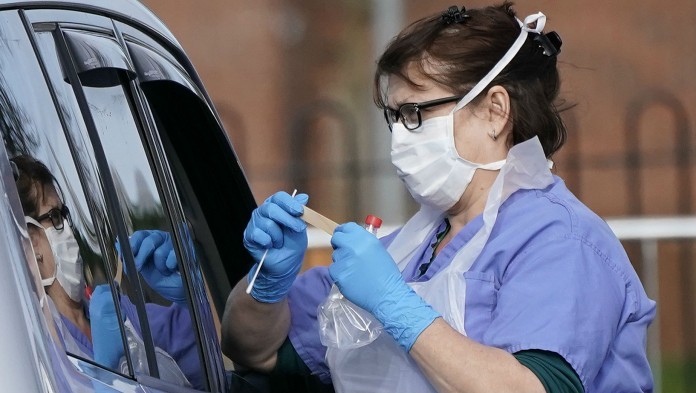
Luckily there is currently a test that looks for viral RNA to determine if people have been exposed to COVID-19. This test known as polymerase chain reaction testing or PCR uses a nasopharyngeal swab that collects cells, mucous, and potentially COVID-19 viral RNA to determine if a person is currently infected with COVID-19. One of the limitations of this test is that it doesn’t show if someone has been infected with COVID-19 and recovered. The test also can vary as to how long it will take for people to receive results. Some people have reported not receiving results in as long as a week. I am encouraged that there are still tests being developed and I hope that the government and private companies will be able to continue to collaborate to help fight this virus. Times are strange and I never would have thought that COVID-19 would be so widespread but I feel that with the help of medical personnel and the cooperation of the public we can beat this virus.
While social distancing is the best option that America and much of the world has right now regarding COVID-19, a universal vaccine is the only true answer for obtaining an end to all this madness. Currently there are 47 different programs to try and develop a vaccine. Moderna is the closest to reaching this goal. Moderna has developed an mRNA based vaccine for COVID-19 and is currently undergoing human trials that have started as of April. More recently Johnson and Johnson has come out to say they are starting to develop a vaccine and it will be used on a non-profit basis for pandemic emergencies. The company has said that it will begin human trials in September and may be available as of the beginning of 2021. The company has also devoted over one billion dollars in the development of this vaccine and hopes to distribute the vaccine quickly after manufacturing and testing is complete. Their stocks also increased by 8% after this announcement.
While this is great news, I am concerned about the fact that it still seems like a long time before there will be a safe, reliable, affordable, and easily acquired vaccine. I understand that it is extremely difficult to make a vaccine while keeping all of these factors in mind. As I understand it, the hardest part about creating this vaccine is not about the science, or getting the vaccine to safely work, it’s about this vaccine having the ability to jump through all the legislative and economic hoops in a timely manner. It is frustrating to me that legislative bodies have the impact they do on these vaccines because it presents enormous obstacles about money and patenting of the vaccine while people are continuously dying and getting sick. All of these factors are why I believe that it is imperative for people to practice social distancing for us to decrease the amount of people getting COVID-19 so researchers have ample time to reach their goals of creating a vaccine with as little death as possible.
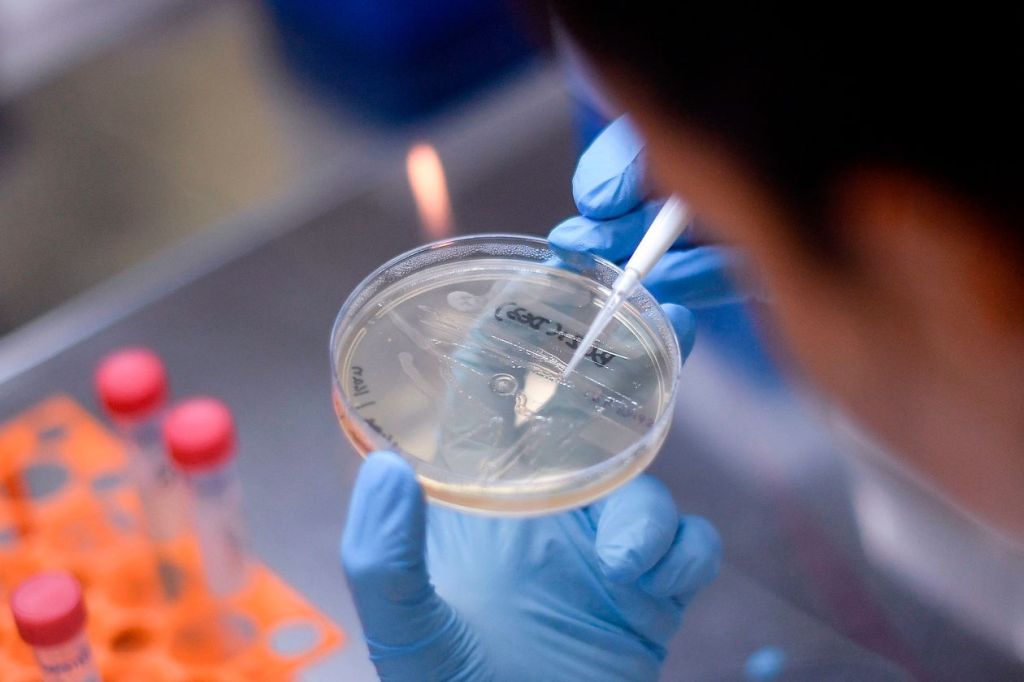
I am getting extremely frustrated in my community because I know of friends and family that are refusing to abide by social distancing. It irritates me because I feel that many people are abiding by the advice of the CDC and others but the few that don’t are still making a significant impact on the spread of the virus. It is hard to know what to do as a person who is educated about this virus because people often get defensive when I try to explain the pertinence of all of our actions regarding this virus. People need to understand that just because there are not many cases in your immediate community, you can’t just go around acting like everything is normal when you could be an asymptomatic carrier and be a super spreader by your irresponsible actions. I understand that this is a particular problem within college-age groups and young adults because they are the least at risk and I am happy that many professionals have come out to directly target these age groups when discussing their responsibility to have concerns for public health. It will be interesting to see what comes of the vaccine in the next few months and how the progression of this virus will impact the world.
Dendritic cell therapy is a therapy that is being used and researched to help cancer patients. The technology is still developing, but the basic idea is that a patient gives a blood sample and from their blood monocytes are filtered out. These filtered monocytes will then be generated into specific dendritic cells that have been exposed to antigens related to that patient’s particular disease. These dendritic cells will then be inserted back into the patient causing cytotoxic T cells to activate against cancer cells and kill them. The advantage of this therapy is that it is specific to the patient and offers a personalized cancer therapy. While dendritic cell therapy is still being tested for many forms of cancer, it has been approved to treat prostate cancer since 2010. T cell therapy called CAR-T cell therapy has only been approved since 2018 and has shown to have amazing results in which many clinical trials showcase positive results when they have exhausted other treatment options. However, T cell therapy has had evidence of having severe side effects such as cytokine release syndrome or CRS that have resulted in severe nausea, fever, chills, rash, trouble breathing, and eventual death of some patients.

Researchers at John Hopkins University in March of 2020 have suggested that the use of dendritic cells stabilizes the progression of patients experiencing prostate cancer as well as potentially reducing the size of tumors. These researchers have also been exploring the use of dendritic cells in pancreatic cancer. Specifically, these researchers discovered that dendritic cells that lacked the gene NF-κB p50 were more likely to produce a cancer fighting immune response than other dendritic cells used in this therapy. These researchers also concluded that brain cancer, melanoma, colon cancer, sarcoma, and neuroblastoma grew slower in mice that lacked the NF-κB p50 gene. While the newfound discoveries about the NF-κB p50 gene related to dendritic cell therapy are still being tested on mice, it is promising to me that there is the potential for dendritic therapy to continue to progress into more efficient strategies. I also recognize that this therapy in itself is a gift for many cancer patients and potentially gives them a longer lifespan than they would have under normal cancer treatments like chemotherapy.
One of the main disadvantages of this therapy is how expensive it is. Due to its experimental status, dendritic cell therapy is not covered under insurance and has an average cost of around $19,000 for on therapeutic set (five to seven) of injections. This price may go up significantly depending on the status of the patient and the progression of their disease. Additionally, there would be other costs regarding traveling overseas to countries and special facilities that provide this treatment because it isn’t standard practice throughout the world. Thus, while this treatment has the potential to do a lot of good in the world, unfortunately it has not progressed enough in research to be a plausible option for many patients. It saddens me to think that some diseases such as cancer have the ability to take so much from those they inflict. That is why I strongly feel that research needs to continue to study this therapy to make it more universally available to patients.
Tuberculosis or TB has spread its wrath throughout the world for decades. TB is caused by the bacteria Mycobacterium tuberculosis which seeks to attack the lungs but can impact other portions of the body’s tissues. Scientists from Cornell have now discovered a new regulatory structure in the bacterium to use as a target for antibiotics. This research is particularly relevant as TB continues to become increasingly antibiotic resistant. This regulatory structure known as the T-box is activated when the bacteria senses a depletion of a particular amino acid. The researchers determined the T-box to be a great target for antibiotics because the T-box is only found in the bacteria and it is essential for the bacterial growth. Thus, destroying the T-box, kills the bacteria. Since humans do not have T-boxes, the researchers would not have to worry about toxicity or side effects when creating the antibiotic. While there is no antibiotic that targets the T-box yet, researchers consider the discovery and analysis of the T-box structure to be a great leap towards discovering a new antibiotic that acts against TB.
TB is still impacting the world with 95% of the cases occurring in developing countries. In 2018, 1.5 million people died from this preventable disease. TB is also one of the top 10 causes of death. It’s saddening to think that this illness is still taking the lives of so many when it is completely preventable. However, several global organizations are working to help eliminate TB from the world by providing treatment, funds, research, and education about TB. One such organization is WHO or The World Health Organization. The efforts of WHO and other organizations hope to end the TB epidemic by 2030, however currently the epidemic is decreasing by about 2% per year when it needs to be descending by a rate of about 4% per year to reach the 2030 eradication goal.
Additionally, multi drug resistant TB is becoming an increasing concern impacting the ability to treat TB with 484,000 new cases of TB being resistant to rifampicin which is the most effective antibiotic acting against TB. The reason for antibiotic resistance becoming such a problem for TB is the course of treatment for the illness. TB is treated by several rounds of a combination of antibiotics. If these antibiotics are not taken properly it leaves room for the bacteria to develop resistance. Many people do not take these antibiotics correctly, or do not take all of them because they start to feel better. Thus within the last few years medical professionals have had to step in and start personally managing patients medications so they take them correctly. Personally, I commend the efforts of these organizations to try and globally eradicate TB but I know that task is almost impossible without complete public and medical cooperation. Additionally, antibiotic resistance is another new and foreign obstacle in the way of eradication and researchers are desperately trying to learn and educate the health of this increasing problem.
It is safe to say that the impacts of COVID-19 on me and my family’s lives has been strange, and unbelievable. While my family and I are taking social distancing seriously and are doing our best to abide by suggestions of our local and national government, it has still been an adjustment. Being uprooted from school has been particularly hard for me. I love my family and while I am happy to be safely at home with those that I love, the timing wasn’t amazing. We heard about going home during spring break so what I thought would be a week hiatus from my friends at school, turned into months. I just wish I would have been able to say goodbye and it stinks that all of our plans together and the events I had planned on campus through clubs were halted.
School has been a bit of an adjustment. I feel kind of lost because I have always had to attend some sort of classroom atmosphere. It is weird trying to schedule my own time and also be working the whole day alongside the rest of my family. My dad is home from his job and my brother is also doing school from home so at least I have some buddies to keep me motivated! I have also had online classes in highschool so I am confident in my abilities to manage my time and have enough discipline to get my work done, it’s just weird never leaving the house to do school. While all these feelings regarding school and friends are legitimate I am reminding myself that the only thing that truly matters is I am healthy and safe and ultimately the protection of the public health is a priority. There are people right now in this world either sick, or have loved ones who may die from this virus and my complaints are insignificant compared to what they must be feeling. Thus, I am trying to stay positive and enjoy this opportunity to be with my family!

It has honestly been absolutely crazy to think about how this virus has spread across the whole world and it is intriguing to watch how governments, medical staff, and public health organizations handle this situation. My mother is a nurse at Atrium Health Pineville and she goes back to work this Thursday. While I know she will do her best to be particularly mindful of her contact with patients and others because of the virus, she undoubtedly will still do her job to the best of her ability. Thus, I am a little concerned for her, but thankfully this class has allowed me to gain education to settle down some of my fears that I previously may have had. Due to this class I know that the main concern regarding my mother is her potentially carrying the virus to those immunocompromised, not if she or even my whole family gets the virus. To be honest, it is making my family angry at people who are not abiding by social distancing or hosting dinner parties during this time. What people don’t understand is that the longer people don’t take this seriously and continue to contact others, the longer people are going to have to be hunkered down in their homes. I just don’t appreciate people complaining about how they are bored in their house when my family and I are about to send my mother in the direct path of danger.
Covid-19 continues to grasp the world in its hold. As of March 3rd, Washington state has reported three more deaths from the virus making the total death count in Washington state nine out of the 31 confirmed cases in the state. There are currently 100 cases in the United States and 92,312 cases worldwide. Cases in South Korea are continuing to climb with 5,186 reported cases. 60% of the cases are linked to a secret religious sect, and the South Korean government has accused the founder of the church of not fully disclosing those infected to prevent the government from containing the virus. There have been a total of 28 deaths in South Korea linked to the virus and the number of cases of the virus don’t seem to be slowing down. Unfortunately, as seen in places like South Korea, the United States, and European countries, more cases are beginning to emerge outside of China, the viruses’ origin, than inside China. This tells me that the virus has only begun to breach into other countries and that if proper precautions are not taken, the number of cases of this virus could skyrocket.
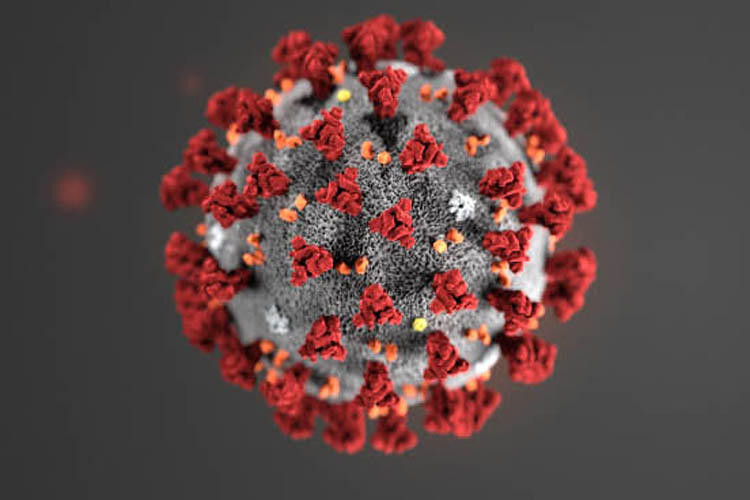
As of March 3rd, there has been one confirmed case in North Carolina from Wake County. The individual reportedly travelled to Washington State to visit the Life Care Center nursing home that was currently having an outbreak of the virus. Personally, I don’t understand why more precautions were not taken in the Life Care Center nursing home to prevent the transmission of the disease. In that same nursing home seven elderly people have died from the virus. While most of the cases in the nursing home had preexisting health conditions, an article by the Seattle Times has reported that healthcare workers treating the patients may have now become exposed to the virus. According to FDA reports, over 1 million Covid-19 tests should be prepared by the end of the week. After a rough start in creating the virus test, the government has asked private companies to help them more effectively produce Covid-19 diagnostic testing. While many feel this is a sign our government is not capable of preparing against this virus, I think that every government is unprepared in the sense that I don’t feel like anyone thought this crisis would get so bad.
I personally am appalled because I never would have thought that this virus would sweep the globe like it has. I am more concerned about the rapid transmission of this virus throughout the world rather than its symptoms. The fact that local cases are arising in countries such as the man from Surrey in Great Britain who became infected when he has not travelled is particularly concerning. It just seems that this virus is so hard to predict how much longer, and where, it will continue to spread. With spring break coming around and people from across the country traveling, it’s the perfect opportunity for the virus to spread across college campuses, and eventually every state in America. I think that it would be beneficial for college campuses across the nation to hold mandatory meetings to educate individuals on campus about the best ways for students and faculty to protect themselves and others from the virus.
Chlamydia is an STD, or a sexually transmitted disease, that is caused by the bacterium Chlamydia trachomatis. This bacterium only has a human reservoir and is spread from person to person via sexual contact either through vaginal, anal, or oral sex with a person infected with chlamydia. Chlamydia is the most commonly spread STD and can affect both men and women, having permanent consequences if left untreated for long periods of time. Women with undetected chlamydia can have severe problems with the female reproductive system resulting in difficulty conceiving and ectopic pregnancies. According to “Medical News Today” nearly 3% of girls aged 15 to 19 years have it, but the article stressed that this percentage may be more due to undocumented cases because chlamydia is often asymptomatic.

The tendency for this disease to be asymptomatic is what makes it so dangerous. According to WebMD about 75% of infections in women and 50% in men occur without symptoms. Often people do not know they have the STD and unknowingly spread it to others. This is why it is so important for people who are sexually active to be routinely tested and have conversations with their partners about their status before engaging in sexual activity. While most cases are asymptomatic, when symptoms do arise they usually encompass abnormal discharge from the genitalia, painful urination, and women may experience pelvic pain, pain during intercourse, and abnormal bleeding between periods. Since chlamydia is a bacterial infection, it is treatable. Treatment for chlamydia includes antibiotics, usually azithromycin or doxycycline. Symptoms usually go away after about one to two weeks. To prevent this infection, doctors recommend the correct use of condoms and limiting sexual partners.
Unfortunately, there has been a trend of STD increasing. As of October 8th, 2019, the Center for Disease Control reported that chlamydia, gonorrhea, and syphilis have increased for the fifth consecutive year. I feel that this large increase in STD infections recently has been due to people not practicing safe sex. I feel that many young adults do not necessarily know how to practice sex safely due to lack of education. I also feel that sexually active people are becoming increasingly desensitized to the true danger of these infections because many feel that because diseases like chlamydia are bacterial and can be treated with antibiotics, they have no negative consequences. Unfortunately, many are not aware that these diseases are often asymptomatic and when untreated can cause serious health complications.

 Allison Roney's Microbiology Blog