HPV Vaccine: A Gateway to Sex?

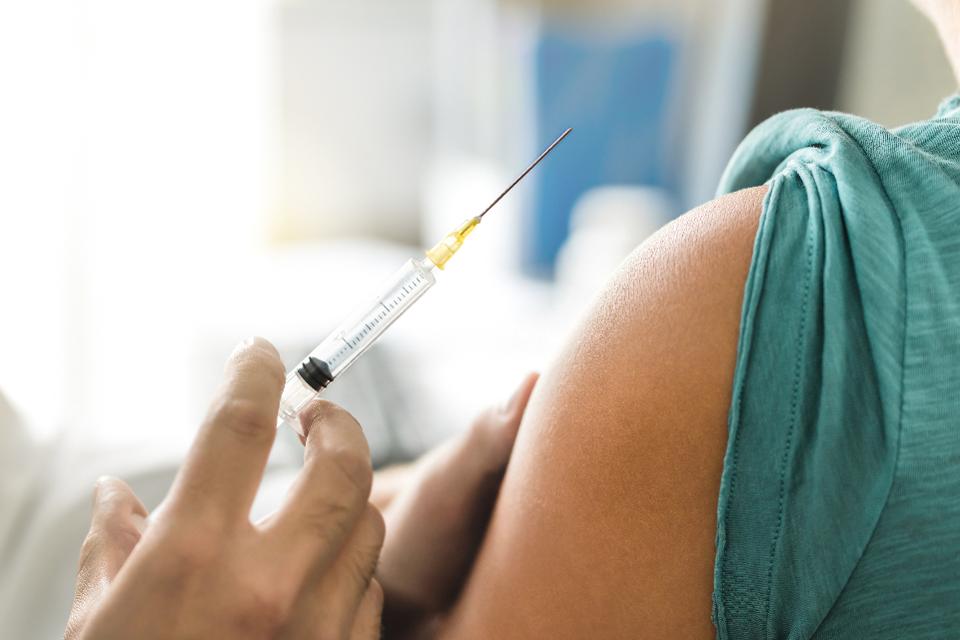
Human papillomavirus, or HPV, is a sexually transmitted disease that causes genital warts and can lead to cancer. There are over 200 types of HPV and the medical community knows of at least a dozen types of HPV that cause cancer, including 80% of cervical cancers. While there is no cure for HPV after an individual has been infected, the HPV vaccine is available to protect against the types of HPV that cause cancer and genital warts. The vaccine is administered to people between the age of nine to forty-five however it is most commonly given around age eleven or twelve. The vaccine has been controversial due to parents believing that giving their child a vaccine to prevent a sexually transmitted disease promotes them to have sex. However, studies have shown that people given the HPV vaccine are not sexually active at a younger age compared to those who are not vaccinated. In my opinion, I think that it is ultimately better for a child to be protected than to be fearful that a vaccine will cause them to have sex. The benefits of the vaccine largely outweigh the small likelihood that the vaccine will make a child feel they are being encouraged to have sex.
Picture by Forbes

In years past, this vaccine has been encouraged amongst females more than males due to womens’ risk for developing cervical cancer as a result of HPV. However, in an article published by STAT, a man named Michael Becker who was prominent in the pharmaceutical industry used his story as an example to encourage boys to get the HPV vaccine. Becker contracted HPV and then died in 2019 from oral and throat cancer associated with his HPV infection. Researchers have expressed how preventable Becker’s cancer was if he had received the HPV vaccine. The article discussed how HPV causes 34,000 Americans to develop cancer each year of which 14,100 are men. Additionally, there are 13,500 cases of HPV oropharynx cancer cases each year of which 11,300 are men. Thus, the article expressed how common HPV causes cancer among men as well and that boys need to make sure they are protected just as much as women. Personally, I feel that many boys and young men choose to not receive the vaccination based on the assumption that their female sexual partners have received the vaccine, however, I fear as the anti-vaccination movement progresses, more females will not receive the HPV vaccine and then nobody will be protected from HPV.

The HPV vaccine, Gardasil 9, was tested for safety by using human trials. The vaccine was studied using more 13,000 females and males before its registration. Gardasil, the original vaccine, was tested using more than 20,000 females aged 9-45 in 33 countries and 4,000 males aged 9-26 in 18 countries. Within these studies researchers found that the vaccine was 100% effective in preventing cell abnormalities caused by two of the cervical cancer-causing HPV types and Gardasil 9 has proven to be effective in preventing even more HPV types connected to cervical cancer. Researchers have been investigating the Gardasil vaccines and their safety for over twenty years and there have been no adverse effects other than a sore swollen arm following injection of the vaccine. No abnormalities in cognitive ability, blood clots, or deaths have been associated with this vaccine. The main concern over this vaccine involves its social debate about whether or not mandating the HPV vaccine overrides parents’ rights about when they should have conversations about their child’s sexual activity.

Antibiotics: Do they hurt or help?

Antibiotic resistance has become a prominent issue within the last couple of years and according to the Center for Disease Control (CDC), it is currently one of the biggest public health concerns due to its impacts in the agricultural, veterinary, and healthcare fields. Antibiotic resistance is when the bacteria being treated by the antibiotic becomes resistant to the medication thus making the medication ineffective against that bacteria. What makes this issue particularly scary is the fact that antibiotic resistance could become so threatening of a problem that we as a population could lose the ability to treat infections due to resistance, causing all of our current medications to become ineffective. This would lead to a public health crisis and essentially set back medicine a century. Bacteria are always going to learn how to survive, and resistance will always be a problem. However, due to the misuse of antibiotics within the last few decades, the bacteria are becoming resistant faster than we can develop new medications.

The increase in resistance is ultimately due to the overprescribing of antibiotics by medical professionals either due to misdiagnosis or prescribing in excess. It is estimated that in the United States, over 47 million rounds of antibiotics are being unnecessarily prescribed for infections which accounts for about 30% of all antibiotics prescribed in doctors’ offices and emergency rooms. Doctors are beginning to speak out about this issue in order to educate the public about the consequences of these medications. Unfortunately, the public has viewed antibiotics as a resolution to infection with little consequence. Now doctors are beginning to feel that people are becoming more aware of the issues that bacterial resistance may pose on individuals’ increased susceptibility to infection, and how infections are becoming increasingly harder to treat. One of the biggest problems is that in developing countries, antibiotic use is often unregulated and is a large contributor to epidemics of antibiotic resistance. Professionals believe that the most effective precautions that the public can do to help control antibiotic resistance is to become more aware of this issue, and take antibiotics exactly as prescribed. Additionally, professionals say that it is essential for the agricultural and medical field to stop the misuse of these medications.

I personally did not really understand the importance of this issue before this class. A point that I never thought about was that antibiotic resistance also poses an economic problem. By these microbes becoming increasingly more resistant, more time and money is having to be spent in the development of new medications and these medications become very costly for the public. I have been on antibiotics for acne for about five years now and have been trying to come off of them within the last few months. Now I understand why it is so important for me to get off of this medication to make sure that my microbiota stays intact. Additionally, I have realized the potential consequences of these medications and to be more aware about not taking antibiotics unless absolutely necessary.

Vaccines-They Work!

While vaccines have been considered to be one of the greatest medical breakthroughs in the 20th century, they have been controversial within the past few decades. For various reasons groups have advocated against vaccines because they feel they are unnatural, or that their children should acquire their immunity to diseases on their own, or that the vaccine is not safe and vaccination could produce an illness. These ideas only get compounded when paper’s such as Andrew Wakefield’s publication linking the MMR vaccine to autism become public and people panic. Despite papers like Wakefield’s being discredited, and respectable organizations such as the Center for Disease Control, The World Health Organization, and others advocating for vaccination, individuals still distrust vaccines.

As a result of misinformation about vaccines, vaccine rates have declined and there were over 1,000 cases of measles in the United States in 2019 alone. Measles was eradicated from the United States in 2001 and there has not been as many cases as this past year since 1992. This means that more and more people are not vaccinating their children which is having a negative impact on these populations, as well as immunocompromised people and infants that can’t receive the vaccine even if they would like to. While the measles may not be killing these people, measles can cause damage to other tissues in the body and lead to secondary infections that can become fatal.

Personally, due to the trends that I am already seeing as a young adult, I am increasingly concerned about the public health status that my potential children could grow up in. If herd immunity for these diseases is broken and people continuously choose to not vaccinate, I am worried about how others will cope. It concerns me that I could potentially not feel safe taking my baby out in public due to the potential of others around me unintentionally harming my child just by the pathogens they carry. I also am uneasy about how legislation will approach anti-vaccination within the coming decades, and how public places like medical facilities, schools, and churches will deal with children and adults who are not vaccinated? As I am learning in this class, it just amazes me how people are unwilling to accept vaccines because of a very minuscule chance that something wrong or abnormal could happen as a result of the vaccine. People would rather their child die or watch them suffer, than potentially giving them a vaccine that might be unnatural, or unsafe when the majority of evidence says otherwise: it just baffles me.

Polio and its Progress

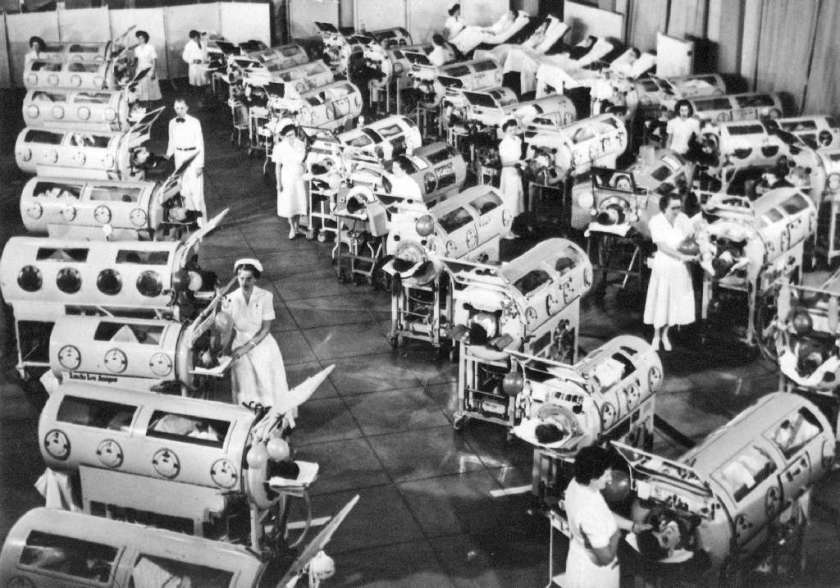
Polio, or poliomyelitis is a virus caused by the poliovirus which may result in paralysis, meningitis, and even death. When infected, only about 72 people out of 100 people show visible symptoms, thus asymptomatic people pose a risk for transmission within populations. Two types of vaccines have been instituted to help stop this debilitating disease. The oral poliovirus vaccine (OPV) that is taken orally and the inactivated poliovirus vaccine (IPV) that is injected. The inactivated poliovirus vaccine (IPV) has been used in the United States since 2000, and is the preferred vaccine, because it produces more antibodies in the blood, protects against all three types of poliovirus, and is overall more effective and efficient than OPV. IPV is also an inactivated vaccine meaning that the virus in the vaccine does not replicate in the body thus the virus can’t become symptomatic or spread between people. However, OPV is still used in many countries and a combination of OPV and IPV is given.

The decision for the United States to only use IPV was largely based on the fact that the US wanted to eliminate the risk of Americans acquiring vaccine-derived poliovirus as a result of OPV. The country was also not concerned about wild type poliovirus entering the country because the United States is polio free and has public health precautions against the disease. The World Health Organization produced efforts to achieve a world eradication of polio in 1988. Due to these efforts, the World Health Organization declared Type 2 and Type 3 to be globally eradicated, however, Type 1 is still rampant in Afghanistan and Pakistan. It was up until recently that countries in Asia such as in the Philippines and Malaysia were struggling with getting immunization rates to be above what would establish herd immunity for the disease.

Picture by Los Angeles Times

In September of 2019, the Department of Health in the Philippines was urging parents to vaccinate against polio due to an outbreak of cases and the Department even offered to give free vaccines due to low immunization percentages of:  44, 72, and 74% within the last three years. Additionally, one month ago, the country of Malaysia identified its first case of polio since the country eradicated the disease 27 years ago. Personally, I find these new cases to be alarming because I am uncomfortable by the possible trend of polio returning at high rates due to lack of vaccination, or other circumstances. However, I am hopeful by the amount of progress the world has made towards the eradication of this disease that has plagued the world for decades. I am also encouraged by the fact that both Type 1 and Type 2 have successfully been eradicated and I am thankful for the possibility of a polio free world within my lifetime.

Vaccines: What’s the Deal?

The World Health Organization has published data regarding misconceptions in the language of anti-vaxxing claims. One of the misconceptions is that diseases that use vaccines have diminished in occurrence because of hygiene and sanitation. The WHO gives evidence that directly goes against this claim. By following the incidences of commonly vaccinated diseases like the measles, there have been fluctuations of occurrences throughout the past decades however there is a stark drop in measles cases after the establishment of the vaccine in 1963. This trend is apparent for other diseases too. Regarding sanitation, there are diseases such as Haemophilus influenzae type b (Hib) that have only begun to have a vaccine for infants developed within decades that have the same sanitation precautions as today. For example, the Hib vaccine for infants wasn’t developed until the mid 1990s, and there has been a significant drop in the disease for those vaccinated. Since hygiene practices in the 90s are relatively similar to those now, this drop in disease can only be associated with vaccine rates. Also, when countries decide to not vaccinate for a disease out of fear of vaccination, there is a rapid spike in the rate of occurrences of that disease. This spike can only be attributed to a lack of vaccination.

Picture by NorthShore

Another misconception is that parents won’t vaccinate their children based on the idea that they feel that their child will not contract the disease because there are relatively few cases of disease. The unfortunate problem with this idea is that the whole reason why these parent’s children are unlikely to contract a disease is because of others vaccinating and an established herd immunity. However, as anti-vaxxing movement has increased momentum vaccine rates are lowering and herd immunity is beginning to dissipate. Now these unvaccinated children are spreading and contracting disease and giving it to children, and adults that wish they could be vaccinated but cannot because of other medical conditions or immune deficiencies that do not permit them to be vaccinated. This problem is especially concerning for newborns that are too young to receive vaccinations who may contract these diseases from being around unvaccinated children and then die. For example, in the US, there have been at least ten to twenty babies to die from whooping cough each year due to this anti-vaxxing problem.

Another misconception is that vaccines have unsafe chemicals and are not natural therefore they shouldn’t be introduced into your child’s body. People are concerned about vaccines that have trace levels of mercury or formaldehyde. While these chemicals are toxic to the body in certain levels, trace levels in the vaccine are not proven to be harmful. Additionally, vaccines are extensively tested and approved to make sure they are safe before they are even used on people. Another thing that people don’t understand regarding this issue is that our bodies metabolically make more formaldehyde than the levels that are in vaccines. It’s interesting to see what will happen to the anti-vaxxing movement and I worry about the future of public health that my potential kids may face one day.

Microbiome and Disease?

The importance of the microbiome to the human body can be expressed in numbers alone. There are more bacterial cells in the human body than human cells: roughly 40 trillion bacterial cells compared to 30 trillion human cells. When discussing the microbiome in relation to human health, the bacteria in the human gut, or cecum, is of utter importance. Bacteria in the gut directly helps with digestion and the greater diversification of the gut microbiota helps prevent good digestive health. Diversification of the microbiota begins at birth and continues throughout life, even being impacted by the foods you eat. When the bacteria in the gut become altered, either by the environment, new foods, or medications like antibiotics, the gut microbiota can become in a state of dysbiosis causing an inflammatory response which has long been linked to cancer. Disruptions in the gut microbiota have been linked to causing diseases like inflammatory bowel disease, irritable bowel syndrome, obesity, type 2 diabetes, and even cancer.

In regards to cancer, while scientists have much to uncover, there is evidence of certain bacteria potentially causing specific cancers. For example, researchers have discovered a different population of microbiota in breast tissue containing a benign or malignant tumor compared to healthy tissue. Experimental research has been conducted on mice and researchers have discovered that Helicobacter hepaticus causes an increase in progression of breast tumors through an inflammatory response in mammary glands. Thus, research has already suggested that certain microbiota can cause specific responses in the breast tissue that are related to breast cancer. Researchers are not certain whether a change in the microbiota is a result of the tumors, or is actually causing the tumors, however it will be fascinating to see where this research progresses in the future. If the abnormal microbiota was a cause of the tumors, that information could help thousands of women across the globe that suffer from this prevalent ailment.

Picture by Medical News Today

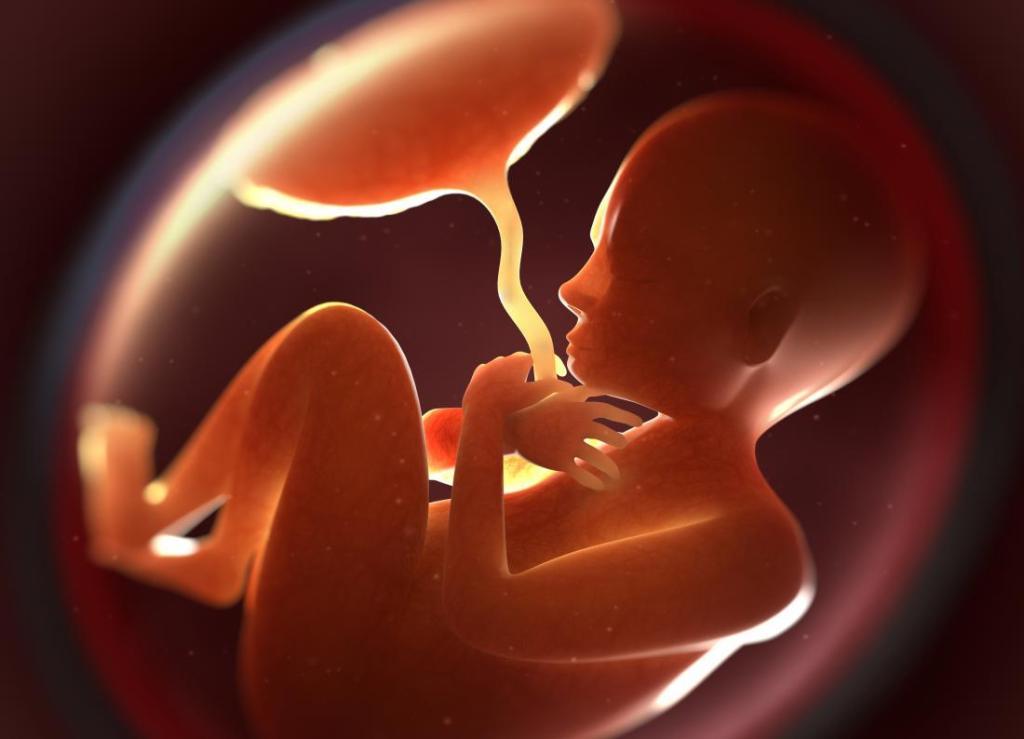
Additionally, there is a demand for new research in how children may develop a microbiota while they are in the womb versus if a child’s microbiota begins at birth. The microbiota that impacts this prenatal stage has not been as extensively researched in comparison to the impact of the microbiota on a child in the parturition or infancy stages. Researchers accept that the womb is considered to be a sterile environment and a child does not receive the beginnings of a microbiome until birth. However, some scientists believe that many microbes are harbored in the placenta and that the placenta itself has microbial communities. It is also suggested by new research that premature birth can impact the ability of children to form healthy microbiota. It is well understood that the form of delivery of the child impacts their microbial growth. Vaginal delivery is much more beneficial than cesarean section and it is currently debated if antibiotics that are routinely given to women having a cesarean section further disrupt the potential for the child to develop a normal microbiota. Additionally, breast feeding a child is known to have gut microbial benefits due to the components of breast milk. It’s interesting to think how mothers can impact the health of their children and potentially create an advantageous or disadvantageous microbial environment. I would like to see more research on in utero microbial development for continuous progression in neonatal care and to gain more research in the debate that challenges the view that the fetus is a sterile environment. Additionally, I would like to see how prenatal delivery, premature birth and breast-feeding impacts individuals for the rest of their life due to the fact that I was personally delivered by caesarian section, was premature and was not fed with breast milk due to complications. It would be interesting to see if due to this I am predisposed to certain conditions.

Coronavirus Continues to Take its Toll

In MCRO 251 we have talked about how coronavirus can be tricky to detect because its symptoms are very similar to those of influenza. Additionally, because the virus is new there is little known about it and a vaccine has not been created, thus scientists can only speculate about the transmission of the disease and how to treat it. Whereas with influenza, the information about the virus is known and a vaccine is available to attempt to control it. Scientists do know that the virus is enveloped, which as we have discussed in class, an enveloped virus is more advantageous than a naked virus in regards to disease prevention. An enveloped virus can easily be killed by envelope targeting antiseptic washes such as hand sanitizer while these same washes will not prevent infection by a naked virus.

Picture from World Health Organization

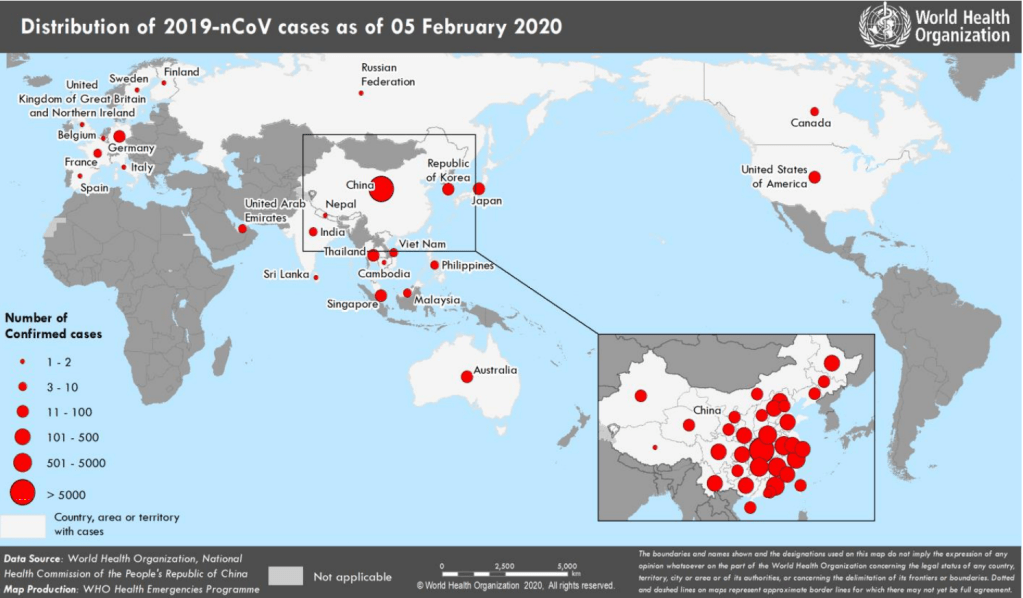
Due to the lack of information about the 2019-nCoV coronavirus, the virus continues to grip the world with 24,554 global cases as of February 5th, and 3,925 new cases within the past week. The virus is still most densely populated in China with 24,363 total confirmed cases as of February 5th, and 3,893 new cases within the past week. However, the virus continues to spread with 191 confirmed cases spanning 24 countries outside China with 32 cases emerging within the past week. According to the World Health Organization (WHO) populations on the global level are at a high risk for the transmission of the disease. It is concerning that it seems that the virus continues to spread to other countries despite travel and public health measures that have been put in place in China and other countries. Containing the disease is hard because despite taking precautions, the virus can still be passed on to others during the incubation period, thus travelers and family members can be transmitting the virus to others without knowing they are infected.

Additionally, since the virus also symptomatically resembles other respiratory viruses, it can be difficult to diagnose based on symptoms alone. This also creates an issue where people may not seek treatment or initially get the wrong treatment due to mis-diagnosis. WHO has published a strategic preparedness and response plan to help stop the further transmission of the disease and give public health guidelines to contain those impacted by the virus. I do feel secure in the efforts that have been put in place to contain the virus and appreciate the full disclosure of organizations like WHO and the CDC. Continuous tracking of this disease is important because it will help aid the public in what to look out for.

Influenza 2019-2020…What’s the Sitch?

Influenza has long plagued the United States causing flu seasons that last for weeks which result in both fatalities and overcrowded hospitals throughout the winter months. According to the Center for Disease Control, this year’s influenza season has been one of the deadliest within the last decade. So far it has been estimated that this season there have been at least 19 million flu illnesses, 180,000 hospitalizations, and 10,000 deaths from flu. The CDC has reported that the B strain of the virus has become prevalent earlier in the flu season, but there has been a recent increase in the A strain of the virus. I feel that this is concerning because the A strain is usually more severe and its recent increase may be an indication of a more severe flu season. While the flu virus can cause fatalities, those who are immunocompromised such as children, pregnant women, and older people (over 65) are at the highest risk.

Picture from Loma Linda University Health News

Often the symptoms of the flu aren’t the biggest issue, it’s the complications. Those infected with the flu may get pneumonia, bronchitis, and sinus and ear infections. Many of the fatalities experienced from the flu are due to pneumonia related complications. Personally, I think a large issue arises when people decide to not get the flu vaccination because they feel it doesn’t work, or they have gotten the flu vaccine in the past and have still acquired the virus. I feel that this is a large problem because children under the age of 2 cannot receive the flu shot and are immunocompromised because they have not established adult immunity yet. Thus, these children are at a very high risk of getting a severe case of the flu at the expense of others’ decisions.

One of the causes for influenza’s recurrence and unpredictability in its severity is a result of antigenic drift that continuously changes the genetic composition of the virus resulting in a novel virus each year. This change in the virus often produces a virus that most of the population doesn’t have immunity to causing the virus to result in yearly outbreaks. This year’s vaccine contains updates from last year with components of A/Brisbane/02/2018 (H1N1)pdm09-like virus, A/Kansas/14/2017 (H3N2)-like virus, and the same B/Victoria and B/Yamagata virus from last year. Additionally, the only regular dose vaccines available this season are quadrivalent meaning they contain four components. It has been reported that this year’s vaccine is a good match for the circulating strains of viruses which should help to control the virus. However, due to the abnormal early circulation of strain B, the congruence of the vaccine to the circulating viruses doesn’t mean the 2019-2020 flu season is any milder. It will be interesting to see where the course of this year’s flu outbreak within the next couple of months, especially since there have been a peak number of flu cases in February in past flu seasons.

Coronavirus-What’s the Deal?

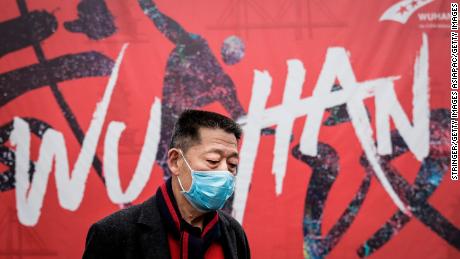
Coronaviruses (CoV) are a family of viruses causing a range of illnesses from the common cold to serious conditions like severe acute respiratory syndrome (SARS) and Middle East respiratory syndrome coronavirus (MERS-CoV). In December 2019 however, there was a novel coronavirus (2019-nCoV) identified in Wuhan City, Hubei Province of China. Due to this virus being detected recently, the Center for Disease Control (CDC) is unsure of how transmission occurs. It was first believed to be spread from human contact with animals, however more recently person to person transmission has been identified. The CDC is considering that the virus is being spread via respiratory droplets, but the virulence of the disease is not well known yet. However, the likelihood of 2019-nCoV being an American health threat is low. It is recommended that preventing the spread of the virus is best achieved by proper hand washing, avoiding touching the face, and covering one’s mouth and nose when coughing or sneezing. There is currently no vaccine for the virus and supportive care is the only available treatment. The common signs and symptoms of the virus have been identified as fever, cough, and shortness of breath. A speculative incubation period of two to fourteen days after exposure has been identified based on previous incubation time of MERS viruses.

While this is a fast-developing outbreak, the death toll in China as of 10:30 pm on January 29th was 170 with a total number of 7,700 confirmed cases in China. While the virus has spread to other countries in Asia, the US, and Canada, the disease has relatively been contained to China with both the US and Canada only having five confirmed cases in total with no record of deaths outside of China. I applaud the Chinese government for their successful relative containment of the disease thus far. If the government had not taken the precautions it has, many more deaths across the globe could have already occurred. Thus far, 195 Americans have also been evacuated out of Wuhan and are currently being monitored for three days at the Air Force base in Southern California to ensure that they are not infected. Once cleared, the evacuees will continue to be monitored for fourteen days. Based on this news, I am happy that the US chose to evacuate these Americans to unite them with their friends and families instead of leaving them overseas. I also appreciate the acts of the scientific and disease control community in both China and the US for being transparent about the conditions of this outbreak. Currently government scientists from China, the US, and Australia are working to develop a vaccine for the virus which is typically a long process that takes months to years.

However, as of January 28th a potential vaccine is waiting for approval to be tested to combat the disease. While a similar outbreak of SARS in Hong Kong and Canada may have been contained by public health measures, this newly developed mRNA vaccine may be necessary for the containment of this rapidly spreading virus. 1,000 subjects have already been tested using this vaccine with no side effects other than mild symptoms which commonly occur after a vaccination such as a sore arm or malaise. It has also been determined within these subjects that the vaccine works just as well on older patients as younger patients with the virus which could be helpful in controlling the outbreak. Tracking the progression of this virus will be interesting and the potential promise of a vaccine for this virus may bring relief to thousands across the globe.

The Wake of Andrew Wakefield

The paper by Andrew Wakefield published in Lancet in 1998 linking the MMR vaccine to autism sparked controversy surrounding vaccinations around the world. However, the work of Wakefield has been discredited by fellow scientific professionals. Andrew Wakefield conducted his study using twelve patients which is too small a sample size to create a reputable scientific claim. Several epidemiological studies were conducted in the wake of Wakefield’s publication with all of them concluding that there was no link between autism and the MMR vaccine. There was also a retraction of the original data published in Lancet by ten out of twelve of the co-authors that conducted the study in which they discredited any link between the MMR vaccine and autism. Thus, even Wakefield’s fellow colleagues that helped to originally conduct the study discredited its findings.

Lancet, the original publisher of the study, also retracted the paper’s claims in 2010 following extensive investigations. Additionally, medical journals such as The British Medical Journal have released exposés of Wakefield’s research discrediting its findings stating that the paper falsified evidence, and disregarded proper research protocols. The Canadian Medical Association Journal also undermined the paper’s conclusions stating that no other study has been able to replicate the findings found in Wakefield’s study which further proves the lack of support that this paper has within the scientific community. Wakefield and his senior research advisor had their medical licenses revoked for unethical practices and on January 29th, 2010 the U.K. General Medical Council (GMC) ruled that the study was conducted dishonestly. Lancet also made a statement that Wakefield had not fully disclosed his interests regarding his study. It was later discovered that Wakefield had a financial incentive from lawyers representing families who were pursuing litigation against companies producing the vaccines and it was through these lawsuits attacking the MMR vaccine, that Wakefield found his cohorts. Many of Wakefield’s child participants in his study were litigants from the same anti-vaccine manufacture lawsuits that were funding Wakefield’s research.

In response to Andrew Wakefield’s publication, there has been a large decline in children receiving the MMR vaccine out of parental fear of their children developing autism. It is believed that the growing anti-vaccination movement was sparked by Wakefield’s publication and his findings still attribute to an increasing prevalence of preventable diseases due to parents refusing to vaccinate. Personally, it is appalling to me that people are still choosing to not give their children vaccines despite the overwhelming scientific evidence of their safety and the public’s knowledge of Wakefield’s fraud. As a result of Wakefield and other anti-vaccination promoters, cases of varicella, mumps, and measles have occurred, with measles being of greatest concern because it is highly contagious. Lack of vaccination has led to measles outbreaks in the UK in 2008 and 2009 and cases in the USA and Canada. In 2000 measles was declared eliminated in the US due to vaccination. However, anti-vaccination efforts have directly resulted in a re-emergence of measles with the Center for Disease Control reporting the US having 375 cases in 2018 and 1,282 cases in 2019. According to the World Health Organization, in January 2017 there were 500 measles cases in the European region. Across the world, current vaccine coverage is around 85% which is below the 95% coverage needed to establish herd immunity. In the US there has also been an increase in mumps outbreaks since 2006 and varicella continues to ail those who are unvaccinated. Additionally, anti-vaccination campaigns are gaining momentum because those who don’t vaccinate do not reap the consequences of these diseases because they have been so close to elimination for many years. However, organizations like UNICEF are becoming increasingly concerned that the focus of controversy has shifted to the vaccine instead of the disease because people have become complacent to the true danger of these diseases and continue to not vaccinate.