Currently, the FDA is working on the potential for approved serological testing of COVID-19. A serological test will determine the amount of antibodies present in the body from a specific infection such as COVID-19. The results of this test show what stage of infection a person is in based on the amount of a particular antibody in the blood. Having only IgM antibody titers means that a person has just been exposed to COVID-19 and the body is establishing its initial defense against the infection. Having both IgM and IgG antibody titers means that the person is in the midst of the viral infection, and having primarily IgG antibody titers means a person is producing a secondary response to the virus and has been exposed before. If doctors were able to determine who was IgG positive, doctors could see who has already created an immune response to COVID-19 in order to help the search for a vaccine. Determining these people could help to gain more information about the longevity of the disease and how the body is being affected.
Using serological testing, the FDA hopes to identify those who have been exposed and have recovered from the virus to help better determine how much longer people need to continue social distancing. With these tests, the FDA hopes to have a positive economic impact by determining those who could go back to work or help reopen some facilities. Additionally, the government hopes that these tests will allow those determined to be recovered from the infection to donate their plasma for others with severe illness due to COVID-19. Currently, there is a serological test approved for emergencies by the FDA under the company of Cellex Incorporated. Stanford Medicine, the Center for Disease Control, are all working towards developing serological testing that will be approved by the FDA. While I feel that this testing has the potential to be great for the economy, and help gain more information about how America is statistically coping with COVID-19, I’m not sure how the FDA intends to determine who receives this testing, and how they will mitigate possible complications of the accuracy of the test and ethical concerns.
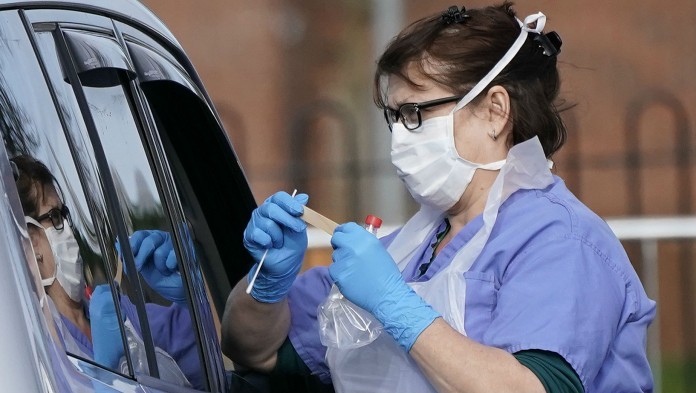
Luckily there is currently a test that looks for viral RNA to determine if people have been exposed to COVID-19. This test known as polymerase chain reaction testing or PCR uses a nasopharyngeal swab that collects cells, mucous, and potentially COVID-19 viral RNA to determine if a person is currently infected with COVID-19. One of the limitations of this test is that it doesn’t show if someone has been infected with COVID-19 and recovered. The test also can vary as to how long it will take for people to receive results. Some people have reported not receiving results in as long as a week. I am encouraged that there are still tests being developed and I hope that the government and private companies will be able to continue to collaborate to help fight this virus. Times are strange and I never would have thought that COVID-19 would be so widespread but I feel that with the help of medical personnel and the cooperation of the public we can beat this virus.

 Allison Roney's Microbiology Blog