
Antibiotic resistance has become a prominent issue within the last couple of years and according to the Center for Disease Control (CDC), it is currently one of the biggest public health concerns due to its impacts in the agricultural, veterinary, and healthcare fields. Antibiotic resistance is when the bacteria being treated by the antibiotic becomes resistant to the medication thus making the medication ineffective against that bacteria. What makes this issue particularly scary is the fact that antibiotic resistance could become so threatening of a problem that we as a population could lose the ability to treat infections due to resistance, causing all of our current medications to become ineffective. This would lead to a public health crisis and essentially set back medicine a century. Bacteria are always going to learn how to survive, and resistance will always be a problem. However, due to the misuse of antibiotics within the last few decades, the bacteria are becoming resistant faster than we can develop new medications.
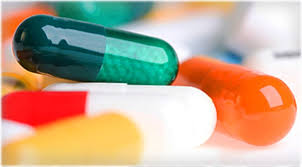
The increase in resistance is ultimately due to the overprescribing of antibiotics by medical professionals either due to misdiagnosis or prescribing in excess. It is estimated that in the United States, over 47 million rounds of antibiotics are being unnecessarily prescribed for infections which accounts for about 30% of all antibiotics prescribed in doctors’ offices and emergency rooms. Doctors are beginning to speak out about this issue in order to educate the public about the consequences of these medications. Unfortunately, the public has viewed antibiotics as a resolution to infection with little consequence. Now doctors are beginning to feel that people are becoming more aware of the issues that bacterial resistance may pose on individuals’ increased susceptibility to infection, and how infections are becoming increasingly harder to treat. One of the biggest problems is that in developing countries, antibiotic use is often unregulated and is a large contributor to epidemics of antibiotic resistance. Professionals believe that the most effective precautions that the public can do to help control antibiotic resistance is to become more aware of this issue, and take antibiotics exactly as prescribed. Additionally, professionals say that it is essential for the agricultural and medical field to stop the misuse of these medications.
I personally did not really understand the importance of this issue before this class. A point that I never thought about was that antibiotic resistance also poses an economic problem. By these microbes becoming increasingly more resistant, more time and money is having to be spent in the development of new medications and these medications become very costly for the public. I have been on antibiotics for acne for about five years now and have been trying to come off of them within the last few months. Now I understand why it is so important for me to get off of this medication to make sure that my microbiota stays intact. Additionally, I have realized the potential consequences of these medications and to be more aware about not taking antibiotics unless absolutely necessary.

 Allison Roney's Microbiology Blog