
Polio, or poliomyelitis is a virus caused by the poliovirus which may result in paralysis, meningitis, and even death. When infected, only about 72 people out of 100 people show visible symptoms, thus asymptomatic people pose a risk for transmission within populations. Two types of vaccines have been instituted to help stop this debilitating disease. The oral poliovirus vaccine (OPV) that is taken orally and the inactivated poliovirus vaccine (IPV) that is injected. The inactivated poliovirus vaccine (IPV) has been used in the United States since 2000, and is the preferred vaccine, because it produces more antibodies in the blood, protects against all three types of poliovirus, and is overall more effective and efficient than OPV. IPV is also an inactivated vaccine meaning that the virus in the vaccine does not replicate in the body thus the virus can’t become symptomatic or spread between people. However, OPV is still used in many countries and a combination of OPV and IPV is given.
The decision for the United States to only use IPV was largely based on the fact that the US wanted to eliminate the risk of Americans acquiring vaccine-derived poliovirus as a result of OPV. The country was also not concerned about wild type poliovirus entering the country because the United States is polio free and has public health precautions against the disease. The World Health Organization produced efforts to achieve a world eradication of polio in 1988. Due to these efforts, the World Health Organization declared Type 2 and Type 3 to be globally eradicated, however, Type 1 is still rampant in Afghanistan and Pakistan. It was up until recently that countries in Asia such as in the Philippines and Malaysia were struggling with getting immunization rates to be above what would establish herd immunity for the disease.
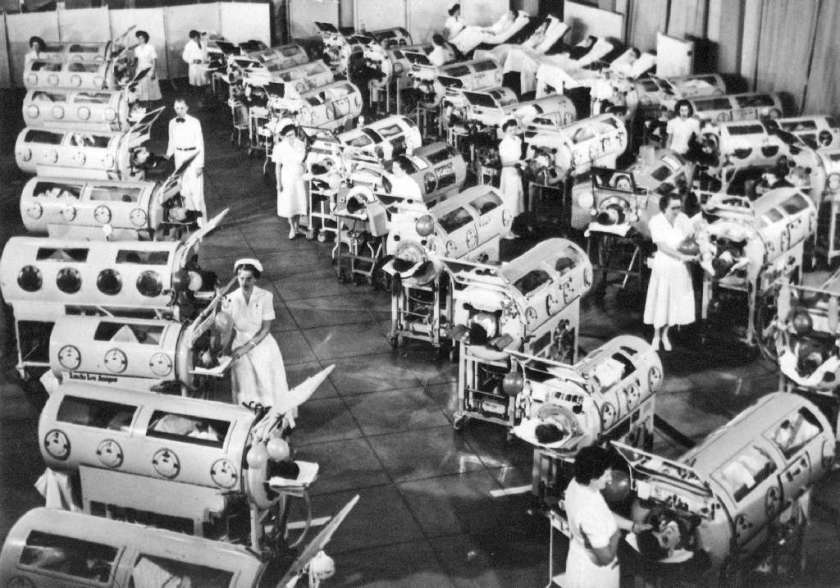
In September of 2019, the Department of Health in the Philippines was urging parents to vaccinate against polio due to an outbreak of cases and the Department even offered to give free vaccines due to low immunization percentages of: 44, 72, and 74% within the last three years. Additionally, one month ago, the country of Malaysia identified its first case of polio since the country eradicated the disease 27 years ago. Personally, I find these new cases to be alarming because I am uncomfortable by the possible trend of polio returning at high rates due to lack of vaccination, or other circumstances. However, I am hopeful by the amount of progress the world has made towards the eradication of this disease that has plagued the world for decades. I am also encouraged by the fact that both Type 1 and Type 2 have successfully been eradicated and I am thankful for the possibility of a polio free world within my lifetime.

 Allison Roney's Microbiology Blog