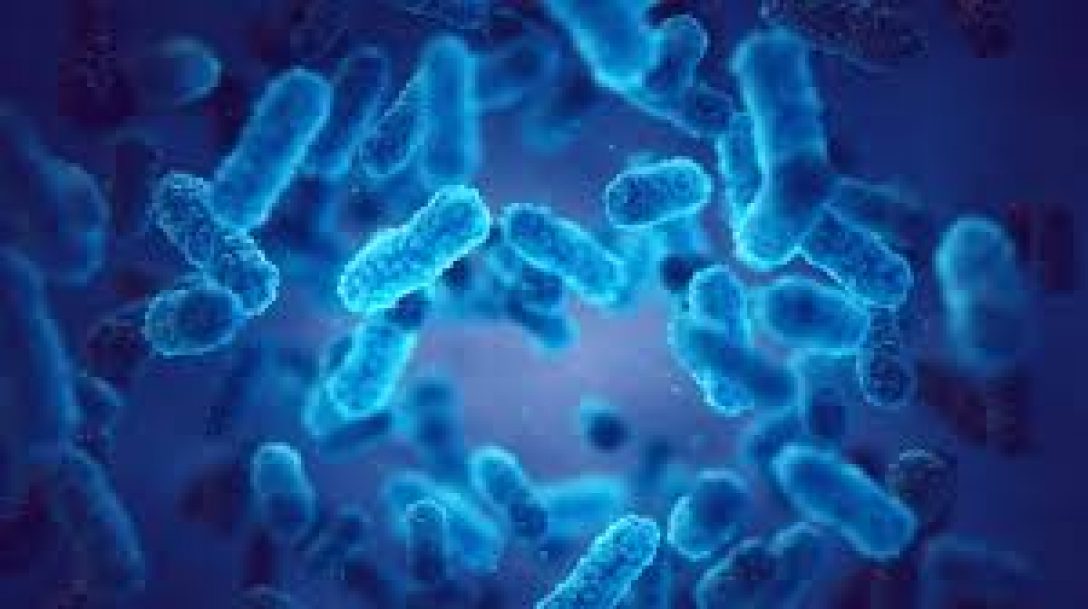
The importance of the microbiome to the human body can be expressed in numbers alone. There are more bacterial cells in the human body than human cells: roughly 40 trillion bacterial cells compared to 30 trillion human cells. When discussing the microbiome in relation to human health, the bacteria in the human gut, or cecum, is of utter importance. Bacteria in the gut directly helps with digestion and the greater diversification of the gut microbiota helps prevent good digestive health. Diversification of the microbiota begins at birth and continues throughout life, even being impacted by the foods you eat. When the bacteria in the gut become altered, either by the environment, new foods, or medications like antibiotics, the gut microbiota can become in a state of dysbiosis causing an inflammatory response which has long been linked to cancer. Disruptions in the gut microbiota have been linked to causing diseases like inflammatory bowel disease, irritable bowel syndrome, obesity, type 2 diabetes, and even cancer.
In regards to cancer, while scientists have much to uncover, there is evidence of certain bacteria potentially causing specific cancers. For example, researchers have discovered a different population of microbiota in breast tissue containing a benign or malignant tumor compared to healthy tissue. Experimental research has been conducted on mice and researchers have discovered that Helicobacter hepaticus causes an increase in progression of breast tumors through an inflammatory response in mammary glands. Thus, research has already suggested that certain microbiota can cause specific responses in the breast tissue that are related to breast cancer. Researchers are not certain whether a change in the microbiota is a result of the tumors, or is actually causing the tumors, however it will be fascinating to see where this research progresses in the future. If the abnormal microbiota was a cause of the tumors, that information could help thousands of women across the globe that suffer from this prevalent ailment.
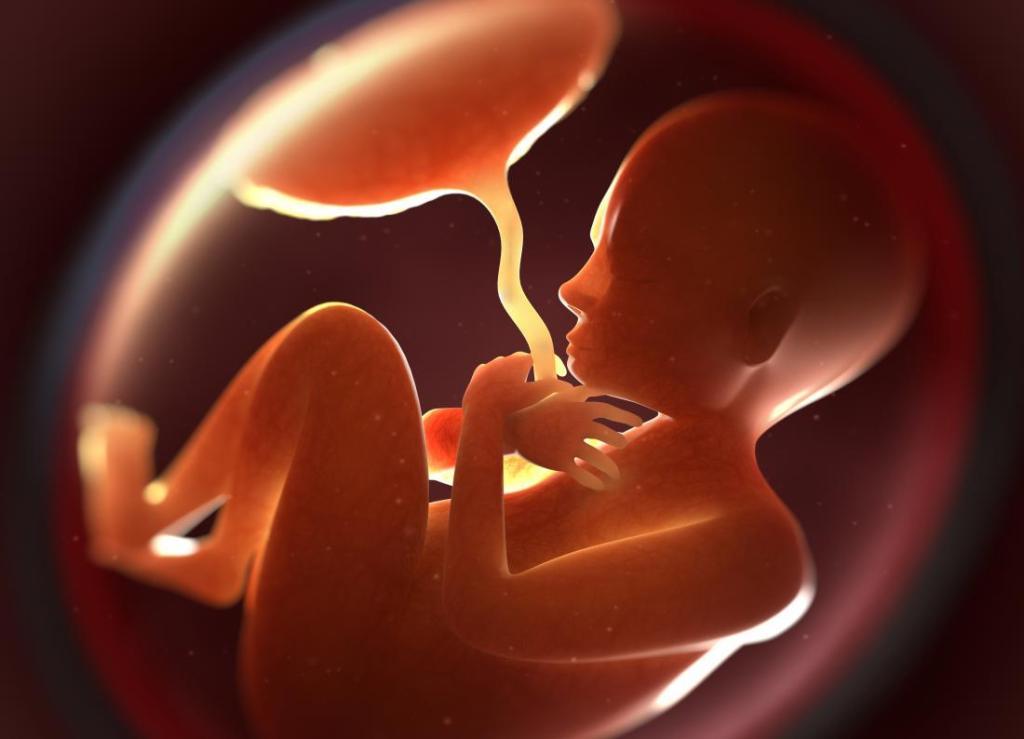
Additionally, there is a demand for new research in how children may develop a microbiota while they are in the womb versus if a child’s microbiota begins at birth. The microbiota that impacts this prenatal stage has not been as extensively researched in comparison to the impact of the microbiota on a child in the parturition or infancy stages. Researchers accept that the womb is considered to be a sterile environment and a child does not receive the beginnings of a microbiome until birth. However, some scientists believe that many microbes are harbored in the placenta and that the placenta itself has microbial communities. It is also suggested by new research that premature birth can impact the ability of children to form healthy microbiota. It is well understood that the form of delivery of the child impacts their microbial growth. Vaginal delivery is much more beneficial than cesarean section and it is currently debated if antibiotics that are routinely given to women having a cesarean section further disrupt the potential for the child to develop a normal microbiota. Additionally, breast feeding a child is known to have gut microbial benefits due to the components of breast milk. It’s interesting to think how mothers can impact the health of their children and potentially create an advantageous or disadvantageous microbial environment. I would like to see more research on in utero microbial development for continuous progression in neonatal care and to gain more research in the debate that challenges the view that the fetus is a sterile environment. Additionally, I would like to see how prenatal delivery, premature birth and breast-feeding impacts individuals for the rest of their life due to the fact that I was personally delivered by caesarian section, was premature and was not fed with breast milk due to complications. It would be interesting to see if due to this I am predisposed to certain conditions.

 Allison Roney's Microbiology Blog